Hair Loss
Male Pattern Hair Loss: What Actually Works, and What Is Hype
Two treatments have real proof behind them. Most of the rest is marketing. Here is the honest breakdown, side effects and all.
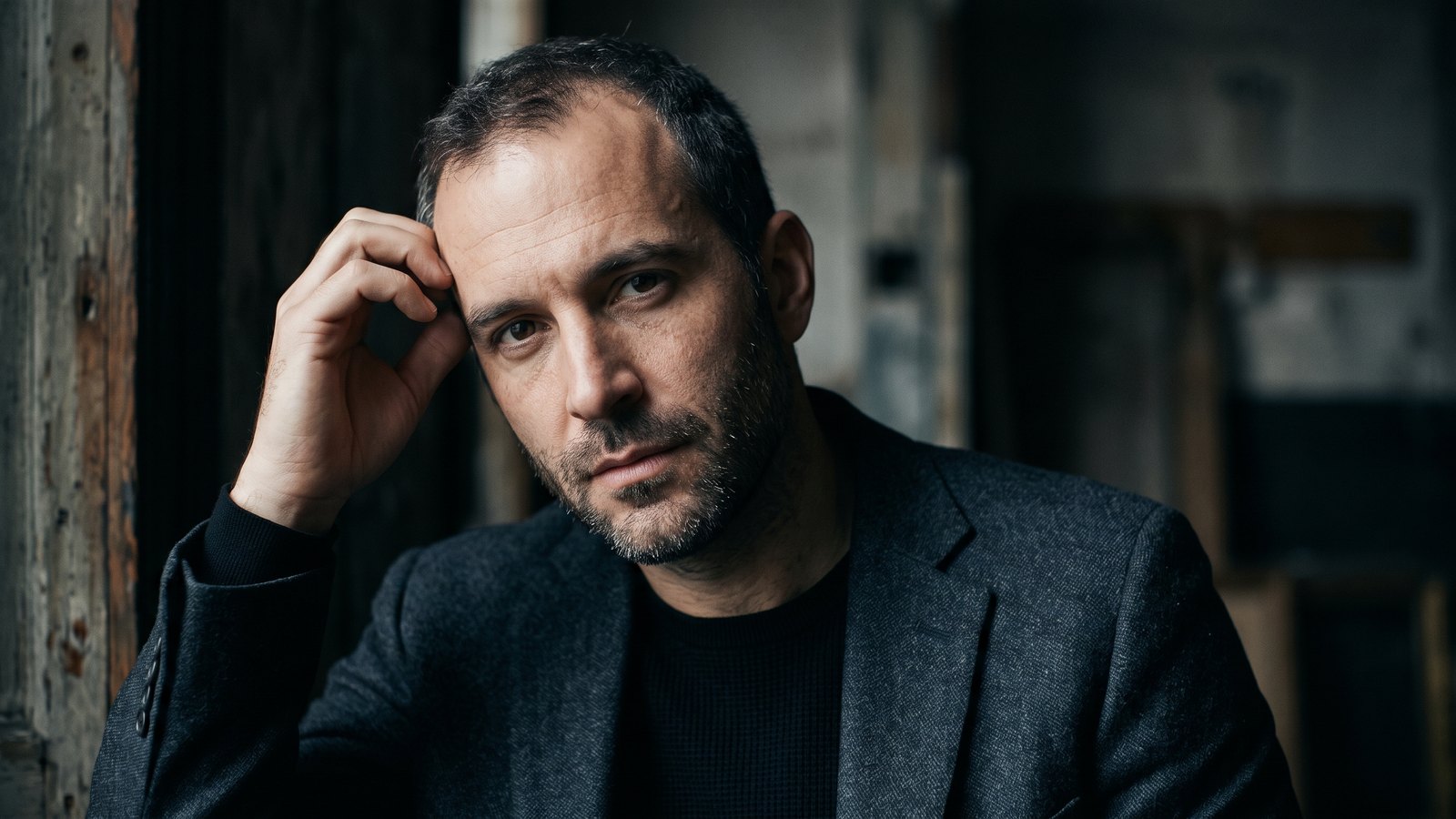
If you are losing your hair, you have probably noticed two things. First, everyone has a fix to sell you. Second, almost none of it works. Male pattern hair loss is one of the most studied problems in men's health, so we actually know what holds up and what does not. This is the honest version.
Here is the verdict up front. Two treatments have strong trial evidence behind them: topical minoxidil and oral finasteride. Everything else, the shampoos, the vitamins, the laser combs, runs from weak to useless, the standard result when supplement marketing outruns the trials. The proven options will not hand you a teenage head of hair. What they do, backed by real studies, is slow the loss and help you keep what you have. Start early and you keep more.
What male pattern hair loss actually is
Male pattern hair loss, also called androgenetic alopecia, is mostly about genes and hormones. A byproduct of testosterone called DHT (dihydrotestosterone) slowly shrinks certain hair follicles on the top and front of the scalp. Over years, thick hairs turn into thin, wispy ones, and then into nothing. The sides and back are usually spared because those follicles are less sensitive to DHT. It is also why the creatine hair-loss scare centers on one small DHT study.
Two things follow from that. It is progressive, so it tends to get worse if you do nothing. And the earlier you act, the more hair you have left to protect. You cannot bring back follicles that are already long gone.
The two treatments that actually work
Minoxidil (topical, over the counter)
Minoxidil is the foam or liquid you rub into your scalp. You can buy the 5 percent version without a prescription. It does not touch DHT. Instead it seems to push more follicles into their growth phase and improve blood flow to them.
The evidence is solid. In a 48 week trial of 393 men, 5 percent minoxidil beat both the 2 percent version and placebo for regrowing hair, with roughly 45 percent more regrowth than the 2 percent formula (Olsen et al., 2002). The catch is that you have to keep using it. Stop, and the gains fade over the following months. Some men also get scalp itching or flaking, which was more common with the stronger 5 percent version in that trial.
Finasteride (oral, prescription)
Finasteride is a daily 1 mg pill. It blocks the enzyme that turns testosterone into DHT, which lowers DHT in the scalp and blood. Less DHT means less pressure on those vulnerable follicles.
This is the most proven pill for the job. In a two year study of more than 1,500 men, finasteride 1 mg a day increased hair count and slowed further loss, while the placebo group kept losing (Kaufman et al., 1998). The men rated their hair as thicker, and so did the doctors and the photo reviewers. Like minoxidil, it is maintenance. Stop taking it and DHT climbs back up, and the hair you saved usually goes with it inside a year.
Finasteride needs a prescription, so this is a conversation with a doctor, not a purchase. There is also a stronger relative called dutasteride that blocks more DHT, but it is not FDA approved for hair loss and is used off label, so leave that call to a physician. Plenty of men run minoxidil and finasteride together, and that is a reasonable plan to discuss with a doctor, since the two work in different ways.
Realistic expectations and timelines
Hair grows slowly, so patience is the price of entry. Give either treatment at least 3 to 6 months before you judge it, and closer to 12 months to see the full effect. The trials above ran from about a year to two years for a reason.
A few honest points. Minoxidil can cause a temporary shed in the first weeks as old hairs make way for new ones. That is normal and not a reason to quit. Results tend to be best on the crown, the spot at the back of the top of your head, and weakest at a receding front hairline. And none of this is permanent on its own. These are treatments you keep up, not a course you finish.
The honest side effect picture
This is where you deserve straight talk, because the internet swings between "totally safe" and "it will ruin your life." The truth sits in between.
Minoxidil's issues are mostly local: scalp irritation, dryness, or flaking. Rubbed into the scalp, it rarely causes body wide effects. Some men get unwanted facial hair if it spreads, which usually settles once they are more careful with how they apply it.
Finasteride is the one men worry about, and the concern is sexual side effects: lower libido, trouble with erections, or reduced ejaculate. These are real, and they show up in the data. A meta analysis of 15 randomized trials with about 4,500 men found that 5 alpha reductase inhibitors like finasteride raised the risk of sexual dysfunction by roughly 1.6 times compared with placebo (Lee et al., 2019). That said, the absolute rates in the trials were low. Most men notice nothing, and in those who do, the effects usually go away after stopping the drug.
Then there is the harder question: post finasteride syndrome, or PFS. Some men report sexual, mood, or thinking symptoms that stick around even after they stop the drug. One review argues this is a genuine condition in a susceptible subset of users, pointing to reports of lasting low libido, erectile problems, and low mood, while also admitting that the medical community has not formally recognized it and that many studies measured side effects poorly (Traish, 2020). Another review takes the reports seriously enough to call for cautious, personalized prescribing and for making sure patients understand the risk before they start (Maksym et al., 2019). The fair reading is this. The risk is not zero, most men do fine, and the persistent version looks uncommon but is still debated. If it worries you, raise it with a doctor before your first pill. Do not let a forum make the call for you.
What is mostly hype
Now the stuff that drains your wallet. Most hair supplements do not hold up. A systematic review of nutritional products for hair loss found that the evidence for most is thin, built on small studies, and nowhere near what stands behind minoxidil or finasteride (Drake et al., 2023). A few ingredients showed some promise in limited trials, but "some promise in a small study" is not the same as proof.
Biotin is the classic example. It is in every "hair, skin, and nails" bottle, yet there is little evidence it helps unless you have a genuine biotin deficiency, which is rare. Worse, biotin can throw off certain lab tests, including some thyroid and heart tests, so it is not as harmless as it looks.
"DHT blocking" shampoos are another one. A shampoo sits on your scalp for a minute, then goes down the drain. There is little solid trial evidence that these meaningfully change the hair on your head. Ketoconazole shampoo has a bit of research behind it as a helper, but it is not a replacement for the proven treatments. Laser caps and combs are heavily marketed and lightly supported. If your budget is limited, spend it on what works.
When to see a dermatologist
Not all hair loss is pattern hair loss, and that matters. See a dermatologist or doctor if your hair is falling out in patches, if it came on fast, if your scalp is red, itchy, painful, or scarred, or if you are also feeling run down. Those can point to something other than genetics, like a thyroid problem, an autoimmune condition, or a scarring type of hair loss that needs very different care.
You should also see a doctor if you simply want to treat it properly. Finasteride is prescription only, and a good clinician will walk you through the benefits, the side effect data, and whether combining treatments makes sense for you. Earlier is better, because these treatments protect the hair you still have far better than they raise the dead. A home kit and a subreddit are not a diagnosis, here or with low testosterone.
The verdict
Male pattern hair loss is genetic and progressive, but you are not helpless. Two treatments have earned their reputation in real trials: topical minoxidil and oral finasteride. Both slow the loss and can thicken things up, both take months to work, and both only keep working while you use them. The side effects are worth understanding, especially with finasteride, which is exactly why a doctor should be in the loop.
Skip the miracle shampoos and the bargain bin vitamins. Decide early, get a real diagnosis, and put your money on the two things that have the science behind them. That is the honest play, and it is the standard across our health guides.
References
- Kaufman KD, Olsen EA, Whiting D, et al. Finasteride in the treatment of men with androgenetic alopecia. Finasteride Male Pattern Hair Loss Study Group. J Am Acad Dermatol. 1998. https://pubmed.ncbi.nlm.nih.gov/9777765/
- Olsen EA, Dunlap FE, Funicella T, et al. A randomized clinical trial of 5% topical minoxidil versus 2% topical minoxidil and placebo in the treatment of androgenetic alopecia in men. J Am Acad Dermatol. 2002. https://pubmed.ncbi.nlm.nih.gov/12196747/
- Lee S, Lee YB, Choe SJ, Lee WS. Adverse sexual effects of treatment with finasteride or dutasteride for male androgenetic alopecia: a systematic review and meta-analysis. Acta Derm Venereol. 2019. https://pubmed.ncbi.nlm.nih.gov/30206635/
- Traish AM. Post-finasteride syndrome: a surmountable challenge for clinicians. Fertil Steril. 2020. https://pubmed.ncbi.nlm.nih.gov/32033719/
- Maksym RB, Kajdy A, Rabijewski M. Post-finasteride syndrome, does it really exist? Aging Male. 2019. https://pubmed.ncbi.nlm.nih.gov/30651009/
- Drake L, Reyes-Hadsall S, Martinez J, et al. Evaluation of the safety and effectiveness of nutritional supplements for treating hair loss: a systematic review. JAMA Dermatol. 2023. https://pubmed.ncbi.nlm.nih.gov/36449274/
Common questions
How long before minoxidil or finasteride shows results?
Minoxidil and finasteride take months, not weeks, to show results. Give either treatment at least 3 to 6 months before you judge it, and about 12 months to see the full effect. Minoxidil can even cause a small temporary shed early on, which is normal. If you stop either one, the hair you gained tends to fade over the following 6 to 12 months, because both only work while you keep using them.
Do finasteride's sexual side effects go away if I stop?
For most men, finasteride's sexual side effects go away if you stop. Sexual side effects like lower libido or erection trouble show up in a minority of users, and they usually resolve after stopping the drug. A smaller number of men report symptoms that persist after quitting, sometimes called post finasteride syndrome. Whether the drug causes that lasting version is still debated, and it appears uncommon. If the risk worries you, talk it through with a doctor before you start.
Do biotin pills or DHT blocking shampoos regrow hair?
There is little strong evidence for either. Biotin only helps if you have a real deficiency, which is rare, and it can interfere with some blood tests. Most DHT blocking shampoos rinse off in a minute and have thin trial support. None of them come close to minoxidil or finasteride. Put your money on the treatments that have real studies behind them.
When should I see a dermatologist about hair loss?
See one if your hair is falling out in patches, if it came on suddenly, if your scalp is red, itchy, painful, or scarred, or if you feel unwell, since those can signal something other than pattern loss. It is also worth a visit if you just want to treat it right, since finasteride is prescription only and starting early protects more of your hair. A home kit is not a diagnosis.