Hormones
Alcohol and Testosterone: What Drinking Really Does to a Man's Hormones
The dose makes the poison. Here is what one drink does, what a heavy habit does, and why the sleep alcohol steals may hurt your testosterone more than the alcohol itself.

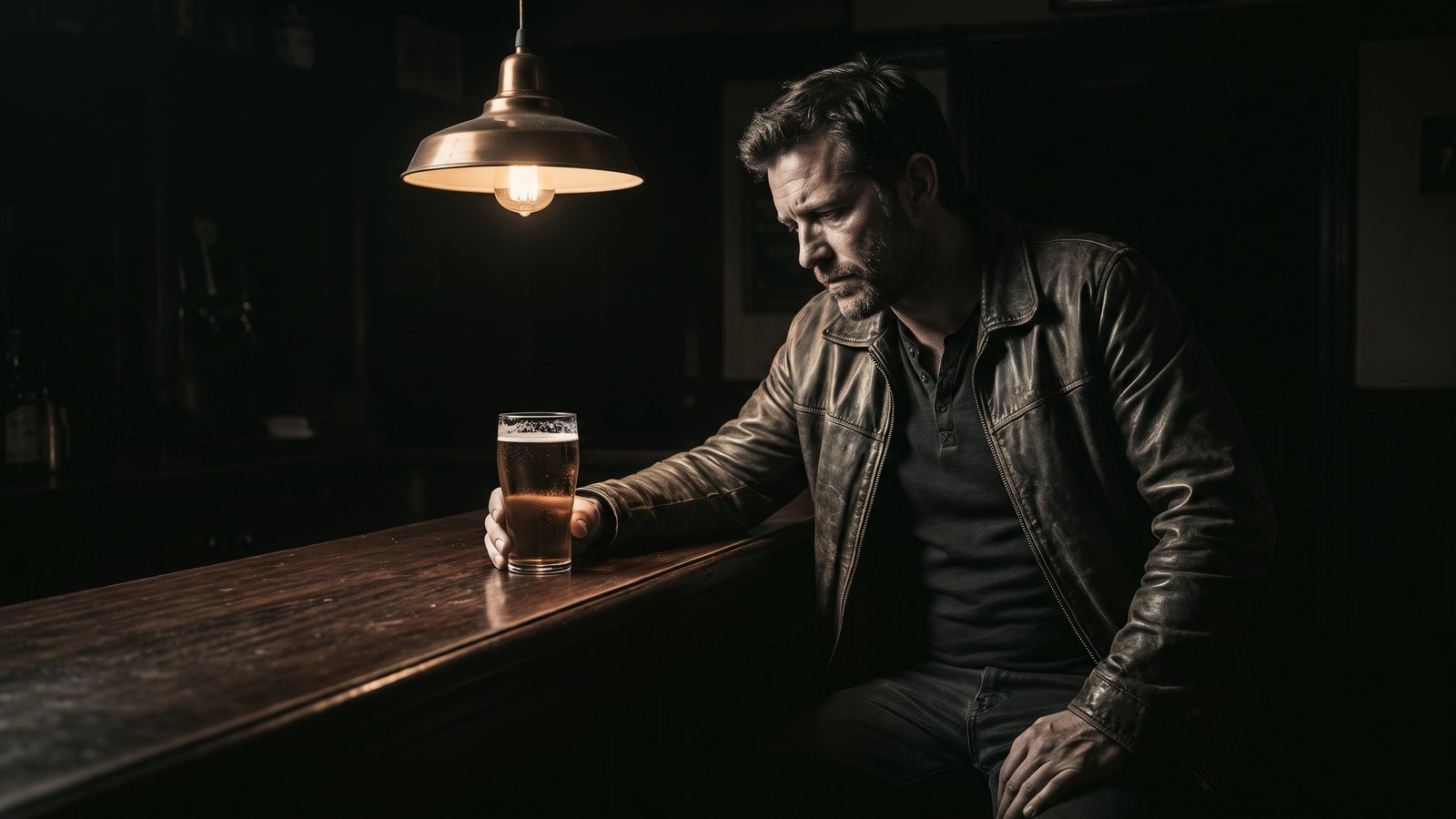
You have heard both stories. Beer gives you a gut and kills your testosterone. Or a couple of drinks are harmless, maybe even good for you. Like most things worth knowing, the truth sits in the middle, and it depends almost entirely on how much you drink and how often.
Here is the honest setup. A small amount of alcohol does something different to your testosterone than a heavy night, and a heavy night does something different than a heavy habit. Once you understand the dose, the confusing headlines start to make sense. If beer is your drink, we also broke down what three beers a day did to testosterone in a controlled trial against non-alcoholic beer.
The dose makes the difference
Start with a surprise. A single low dose of alcohol does not tank your testosterone. It can nudge it up for a little while. In a controlled trial, men who drank a low dose, roughly two to three drinks worth, showed a short rise in blood testosterone afterward (Sarkola and Eriksson, 2003). This is not a reason to drink. The bump is small, temporary, and a side effect of how your liver processes alcohol, not a health benefit.
A 2023 review pulled the whole picture together. Acute drinking of a low to moderate amount tends to raise testosterone briefly, while drinking a large volume in one sitting pushes it the other way and lowers it (Smith et al., 2023). Same substance, opposite effects, decided by the amount in your glass. That is the core idea to hang onto.
One heavy night versus a heavy habit
Get drunk and the story flips. Heavy acute drinking lowers blood testosterone, and it does it by acting directly on the testicles, the factory where most of your testosterone is made (Sarkola and Eriksson, 2003). One rough night is not going to ruin you. The problem is when heavy nights become the norm.
Chronic heavy drinking is where real damage shows up. The same review found that when alcohol is consumed in excess, especially over the long term, it clearly hurts testosterone production. The drivers are higher stress hormone activity, inflammation, and oxidative stress, all of which get in the way of the machinery that makes testosterone (Smith et al., 2023).
Real-world data backs this up. In a study of middle-aged and older men, heavy drinkers who flush when they drink, meaning those who process alcohol less efficiently, had more than four times the odds of low testosterone compared with men who did not drink (Koh et al., 2022). Notably, moderate drinkers did not carry that same clear risk. The pattern keeps repeating. A little is not the issue. A lot, especially often, is.
Heavy drinking and your fertility
Testosterone is not the only thing on the line. Your sperm takes a hit too, and the threshold is lower than most men think. In a study of more than 1,200 young men, habitual drinking of more than five drinks in a typical week was linked to worse semen quality, and the effect got steeper as intake climbed (Jensen et al., 2014).
The heavy end was stark. Men who typically drank more than 40 drinks a week had about a third lower sperm concentration than men who drank just one to five (Jensen et al., 2014). If you are trying to start a family, this is a lever worth pulling. Cutting back is one of the simpler moves you can make, alongside the everyday plastic exposures researchers are watching for sperm quality.
The part most men miss: sleep
Here is the effect that flies under the radar. Alcohol may hurt your testosterone most by wrecking your sleep, and your body makes the bulk of its testosterone while you sleep.
A nightcap feels like it helps because it knocks you out faster. But it quietly sabotages the back half of the night. A review of the research on alcohol and normal sleep found that alcohol delays your first stretch of REM sleep at every dose tested, cuts total REM sleep at moderate and high doses, and makes the second half of the night more broken and restless (Ebrahim et al., 2013). You spend more time in bed and get less real recovery out of it.
That matters because sleep and testosterone are tied at the hip. When you cheat your sleep, you cheat the window where testosterone is built. So the drink does double damage. Some of it is the alcohol acting on your hormones directly, and some of it is the good sleep it steals.
Where the beer belly really comes from
Now for the gut. Alcohol is calorie dense. It carries about seven calories per gram, nearly as much as pure fat, and those calories are easy to pour and easy to forget. A few beers can quietly stack on top of everything else you ate that day.
But here is the honest part. Blaming your waistline on alcohol alone misses the point, and what actually drives belly fat after 35 is bigger than any one drink. In a large study that tracked more than 16,000 men for nine years, changes in how much they drank were not the main thing driving belly growth. Diet quality, activity, and overall habits mattered more (Koh-Banerjee et al., 2003). Alcohol is not a magic fat gun. It is extra calories and, more importantly, a nudge toward late-night eating and skipped workouts. The drinks plus everything that comes with them is the real culprit.
What this means for you
You do not need to quit drinking to protect your hormones. Drinking is one of a handful of levers that actually move testosterone, and this one only asks you to respect the dose. Here is the practical version.
- A drink or two now and then is not the enemy. Low, occasional amounts do not appear to hurt testosterone and may briefly raise it (Smith et al., 2023).
- Heavy nights are the problem, and heavy habits are worse. Getting drunk lowers testosterone in the moment, and doing it often damages production over time (Smith et al., 2023).
- Skip the nightcap. Alcohol close to bed steals the deep, later sleep where your body does its hormone work (Ebrahim et al., 2013).
- Trying for a baby? Cut back now. Regular heavy drinking is tied to worse semen quality (Jensen et al., 2014).
- Count the calories you drink. They are real, and they add up faster than you think.
The verdict
Alcohol and testosterone are not simple enemies. A small amount does little harm and may give a brief bump. Get drunk and your testosterone drops on the spot. Make heavy drinking a habit and you chip away at your testosterone, your sleep, and your fertility all at once. The dose makes the difference, and the man who keeps it modest keeps the most. The rest of the hormonal picture lives in our hormone guides.
References
- Sarkola T, Eriksson CJP. Testosterone increases in men after a low dose of alcohol. Alcohol Clin Exp Res. 2003. https://pubmed.ncbi.nlm.nih.gov/12711931/
- Smith SJ, Lopresti AL, Fairchild TJ. The effects of alcohol on testosterone synthesis in men: a review. Expert Rev Endocrinol Metab. 2023. https://pubmed.ncbi.nlm.nih.gov/36880700/
- Koh K, et al. Relationship between Alcohol Consumption and Testosterone Deficiency according to Facial Flushes among Middle-Aged and Older Korean Men. Korean J Fam Med. 2022. https://pubmed.ncbi.nlm.nih.gov/36444123/
- Jensen TK, et al. Habitual alcohol consumption associated with reduced semen quality and changes in reproductive hormones. BMJ Open. 2014. https://pubmed.ncbi.nlm.nih.gov/25277121/
- Ebrahim IO, et al. Alcohol and sleep I: effects on normal sleep. Alcohol Clin Exp Res. 2013. https://pubmed.ncbi.nlm.nih.gov/23347102/
- Koh-Banerjee P, et al. Prospective study of the association of changes in dietary intake, physical activity, alcohol consumption, and smoking with 9-y gain in waist circumference among 16587 US men. Am J Clin Nutr. 2003. https://pubmed.ncbi.nlm.nih.gov/14522729/
Common questions
Does drinking alcohol lower testosterone?
Whether alcohol lowers testosterone depends on the amount. A single low dose does not lower testosterone and can briefly raise it (Sarkola and Eriksson, 2003). Getting drunk in one sitting lowers it by acting directly on the testicles, and drinking heavily over the long term clearly hurts testosterone production through stress hormones, inflammation, and oxidative stress (Smith et al., 2023). A drink or two now and then is very different from a heavy, regular habit.
How much alcohol is too much for testosterone?
There is no exact line, but the risk rises with heavy and frequent drinking. In one study of older men, heavy drinkers who flush when they drink had more than four times the odds of low testosterone compared with nondrinkers, while moderate drinkers did not show that clear risk (Koh et al., 2022). The safest read is to keep it occasional and modest rather than heavy and habitual.
Does alcohol affect sperm and fertility?
Alcohol does affect sperm quality, especially with regular heavy drinking. In a study of over 1,200 young men, habitual intake above five drinks in a typical week was linked to worse semen quality, and men who typically drank more than 40 drinks a week had about a third lower sperm concentration than light drinkers (Jensen et al., 2014). If you are trying to conceive, cutting back is one of the simpler steps you can take.
Is a nightcap bad for my hormones?
A nightcap can be bad for your hormones, because it wrecks the sleep your body uses to make testosterone. Alcohol before bed delays your first REM sleep, cuts total REM at moderate and high doses, and makes the second half of the night more broken (Ebrahim et al., 2013). You fall asleep faster but get less real recovery, and that lost deep sleep may hurt your testosterone more than the drink itself.